Primitive Crow and Pear Family Embroidery Review
As an embroidery designer who spends weekends setting up booths at craft fairs and managing a handmade shop, I know that the difference between a design that sits on a shelf and one that sells out often comes down to narrative appeal and production practicality. When I first encountered the Primitive Crow and Pear Family Embroidery file, my immediate reaction was one of recognition. This is not just a pattern; it is a complete mood board for the current farmhouse aesthetic that dominates market trends right now. It feels grounded, warm, and undeniably cozy. For any Etsy seller, boutique maker, or creative entrepreneur looking to refresh their inventory with items that resonate emotionally with buyers, this design offers a compelling proposition.
First Impressions: The Farmhouse Narrative
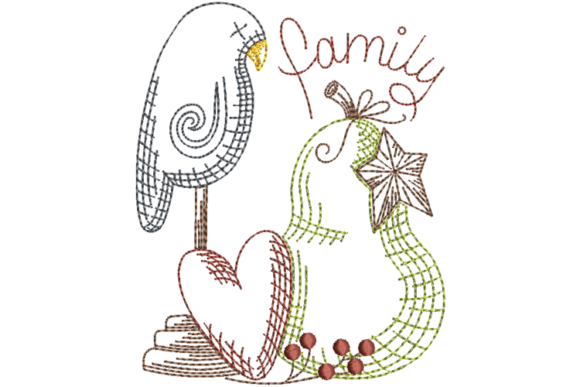
The visual language of Primitive Crow and Pear Family Embroidery speaks directly to the rustic charm that customers crave. We are seeing a shift away from overly polished, modern minimalism toward designs that feel handcrafted, imperfect, and nostalgic. The inclusion of a primitive-style bird standing beside a checked pear immediately sets a tone of simple living. But it is the supporting elements—the patched heart, the stitched star, and the word “family” in curly script—that transform this from a simple nature motif into a heartfelt declaration of home.
This combination creates a strong emotional hook. In a busy market environment, where shoppers are bombarded with hundreds of similar items, a design that whispers “home” and “togetherness” cuts through the noise. It feels premium yet accessible. It is decorative without being cluttered, and soft without being weak. For a booth display, this design has the strength to stand out as a focal point while still feeling intimate enough to invite closer inspection.
Product Applications: Where This Design Shines
One of the most critical questions for any machine embroidery design is versatility. Can this single file be turned into multiple revenue streams? In my experience, Primitive Crow and Pear Family Embroidery is exceptionally adaptable. Here is how it performs across key product categories:
- Tote Bags and Market Bags: These are staples for any craft fair product. Placing this design centrally on a canvas tote bag allows the details of the checked pear and the crow to breathe. It photographs beautifully for online listings, offering a clear view of the texture and stitch work. It appeals to the eco-conscious shopper who values sustainability and artisanal quality.
- Kitchen Towels and Aprons: Kitchen linens are impulse buy territory. A tea towel featuring this family-centric motif hits the sweet spot of utility and decor. The “family” text anchors the design, making it a perfect gift for housewarmings or holidays. On an apron, it adds a touch of personality to the wearer’s uniform, enhancing the perceived value of the handmade product.
- Patches and Caps: If you are producing embroidered patches, this design translates well due to its distinct shapes. However, attention must be paid to scale. On a cap, the curved surface can distort small details. This design works best as a larger focal piece on a patch applied to a denim jacket or a sturdy fabric pouch rather than a tiny accent on a baseball cap brim.
- Pillow Covers and Home Decor: For the home goods segment, this design elevates standard pillow covers. It fits seamlessly into a gallery wall of farmhouse decor. The rustic aesthetic ensures it complements linen, burlap, and cotton fabrics without clashing.
Production Practicality and Visual Appeal
From a production standpoint, efficiency is key to maintaining healthy margins. Does Primitive Crow and Pear Family Embroidery allow for batch production? Generally, yes. The elements appear to be cohesive, meaning you can likely stabilize your hoop once and run multiple items without frequent repositioning, provided the layout is planned correctly. The design is legible at a glance, which is crucial for both physical sales and digital thumbnails. Customers do not need to squint to understand what they are buying.
However, we must address the technical realities of executing this design. The presence of text (“family”) and small details (the checked pattern on the pear) requires careful consideration of stitch density and thread colors. If the thread contrast is too low against a dark fabric, the intricate details will vanish. Similarly, if the design is digitized with excessive density, it may become stiff and uncomfortable on wearable items like aprons or caps.
Careful-Use Notes for Designers
Before committing to a full production run, every professional should follow these steps to ensure the final output matches the potential of the embroidery file:
- Test on Scrap Fabric: Never assume a design looks good on paper. Stitch it out on the actual fabric you intend to sell. Check how the thread interacts with the weave of the material.
- Check Thread Contrast: Ensure the thread colors pop against your chosen background. Light threads on light fabric or dark threads on dark fabric will lose the definition needed for the smaller elements like the star or the text.
- Review Spacing and Hoop Size: Confirm that the hoop size accommodates the entire design without awkward trimming. Tight spacing can lead to puckering, especially on textured towels or thick denim.
- Inspect Stitch Density: High density can cause issues on curved surfaces like caps. If the back of the stitches is bulky, consider using a cut-away stabilizer for better support and a cleaner finish.
- Create Printable Mockups: Before investing in materials, create a printable mockup to see how the design scales. This helps in planning your booth display and ensuring the design reads well from a distance.
Market Positioning and Brand Consistency
Incorporating Primitive Crow and Pear Family Embroidery into your collection signals a specific brand identity: one that values tradition, warmth, and craftsmanship. This consistency builds trust with your audience. When a customer sees this style repeated across your tote bags, kitchen towels, and patches, they recognize your brand instantly. It reinforces the idea that your shop is a curated destination for rustic, family-oriented goods.
Furthermore, this design supports high perceived value. Because it features complex elements like patchwork textures and varied typography, it does not look like a cheap, mass-produced stamp. It looks like art. This perception allows you to price your small shop product at a premium, reflecting the time and skill involved in the commercial embroidery process.
Final Verdict
For the savvy entrepreneur, Primitive Crow and Pear Family Embroidery is more than just a cute image; it is a strategic asset. It checks all the boxes for current market trends: it is rustic, it is sentimental, and it is versatile. By paying close attention to production details—such as stabilizer choice, thread selection, and fabric texture—you can transform this digital asset into tangible, desirable goods that fly off the shelves.
Remember to always confirm commercial licensing before selling finished products. Once that legal box is checked, focus on creating beautiful design assets for your marketing. Use high-quality photos that highlight the texture of the stitches and the warmth of the theme. With the right execution, this design will not only fill your cart but also fill your booth with happy customers seeking a piece of home.