Smile Script Design Review
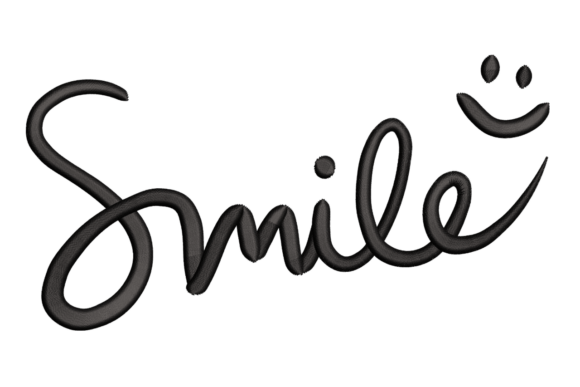
In the competitive world of small business merchandise and branded apparel, every design element must work harder than just looking pretty. As an embroidery designer who has spent years refining digital files for commercial production, I evaluate designs not only on their aesthetic appeal but on their technical viability and brand impact. Today, I am reviewing Smile Script, a design described as a "Flowing Script Smile with Smiley Face Accent" that aims to spread positivity through simple yet powerful machine embroidery.
This review is tailored for small business owners, embroidery shops, apparel decorators, handmade brands, Etsy sellers, merch creators, product designers, crafters, and digital embroidery file buyers. We will look at how this Inspirational category piece fits into real-world applications, from staff uniforms to boutique merchandise.
First Impressions: Personality and Professionalism
The title Smile Script immediately suggests a blend of elegance and approachability. Based on the description featuring flowing lettering and a smiley face accent, the visual personality leans heavily toward friendly, modern, and playful. For a small café, bakery, or creative studio, this aesthetic is gold. It communicates warmth without sacrificing the clean lines required for professional branding.
However, script fonts in embroidery are notorious for technical pitfalls. The flowing nature of the lettering requires precise digitizing to ensure the thread does not clump or break. The inclusion of a smiley face accent adds a layer of complexity; it must be integrated seamlessly so it feels like part of the wordmark rather than a separate sticker slapped onto the design. In my experience, successful script designs rely on balanced negative space and consistent line weight. If executed well, Smile Script can elevate a plain tote bag or cap into a premium-looking handmade product.
Real-World Business Applications
Let us explore where Smile Script shines in actual commercial scenarios. This embroidery file is versatile enough to serve multiple roles in your small business merch lineup.
- Embroidered Patches: One of the most popular uses for this type of design is creating iron-on or sew-on patches. A flowing script logo looks sophisticated when enclosed in a circular or shield-shaped border. These patches can be applied to denim jackets, backpacks, or customer gift bags, adding a tactile element to your brand identity.
- Staff Uniforms and Aprons: For bakeries, florists, or local cafes, consistency is key. Placing Smile Script on the chest of a work shirt or the bib of an apron creates a cohesive team look. The positive message reinforces a welcoming atmosphere for customers, enhancing buyer engagement before they even make a purchase.
- Caps and Headwear: Cap embroidery requires careful attention to curvature. A script design that flows naturally can follow the curve of a baseball cap or structured trucker hat beautifully. This is a staple item for trade shows, local events, and promotional giveaways.
- Tote Bag Design: Canvas totes are a favorite among Etsy sellers and craft businesses. A centered or pocket-placed Smile Script design adds value to what might otherwise be a generic item. It transforms a utility bag into a fashion accessory that customers want to wear around town, providing free advertising for your brand.
- Product Packaging Accents: Do not overlook the unboxing experience. Adding a small embroidered patch with this design to shipping boxes or garment tags signals attention to detail. It elevates the perceived value of your finished product and encourages social media sharing.
Technical Considerations for Commercial Embroidery
While the concept is strong, the execution determines success. When using this digital embroidery file for commercial embroidery projects, several technical factors must be managed.
Stitch Density and Thread Colors: Script fonts often have varying stitch densities. You must ensure the density is appropriate for the fabric you are using. Too dense, and the fabric may pucker; too sparse, and the background material may show through. Choosing the right thread colors is equally critical. High contrast between the thread and the fabric ensures readability, especially if the design includes fine details in the smiley face accent.
Hoop Size and Stabilizer: Before running a large batch, confirm the required hoop size. Large script designs may require multi-hooping, which increases production time and potential alignment errors. Always use a proper stabilizer matched to your fabric weight. For stretchy knits used in t-shirts and caps, cut-away stabilizer is usually necessary to prevent distortion during frequent washing.
Fabric Texture: The texture of your base material affects how the design appears. Smooth fabrics like polyester blends showcase the flow of the script best. Rougher textures, such as heavy canvas or wool, may obscure the finer details of the lettering. Test on swatches of your actual production fabric to see how the light catches the threads.
Where to Use Smile Script Carefully
Not every application is suitable for this design. There are specific scenarios where Smile Script may fail to deliver the desired professional impact.
- Small Patch Sizes: If you plan to create very small patches (under 2 inches), the flowing script may become illegible. Fine details in the letters and the smiley accent can merge together, resulting in a muddy blob. Keep minimum dimensions in mind.
- Tiny Lettering: Similar to patches, if the design is scaled down too much for a sleeve cuff or a small label, the text will lose its integrity. Legibility is paramount for brand recognition.
- High Stitch Density Areas: Avoid placing dense sections of the design over seams or existing stitching, as this can cause puckering or needle breaks.
- Detailed Outlines on Textured Fabric: If the design relies on sharp outlines to define the script, textured fabrics like fleece or boucle will soften these edges, making the design look unfinished.
- Dark Uniforms Without Proper Underlay: On dark fabrics, ensuring the underlay stitches cover the base color completely is crucial. Otherwise, the thread colors may appear dull or translucent.
- Items Needing Frequent Washing: While embroidery is durable, excessive washing can wear down the highest points of the stitch work. Ensure the design is anchored properly to withstand the lifecycle of the garment.
Impact on Brand Identity and Customer Trust
Choosing the right design assets is a strategic decision. Smile Script contributes to a brand identity that is approachable, positive, and human-centric. In an era where consumers increasingly support local and handmade businesses, visual cues that suggest care and creativity build trust.
When a customer sees a well-executed embroidered logo on a high-quality custom apparel item, it signals that the business pays attention to quality. This extends to the perception of the products being sold. A boutique selling skincare might use this design on linen pouches, reinforcing a natural, gentle brand image. A pet brand might use it on bandanas, emphasizing joy and companionship.
Visual consistency across all touchpoints—whether it is a website graphic, a social media post, or an embroidered tote—strengthens brand recall. Using a cohesive design language helps customers recognize your products instantly in a crowded marketplace.
Practical Designer Notes for Production
To ensure your investment in this embroidery file pays off, follow these practical steps before committing to full production:
- Test in Black and White: Convert the design to monochrome to check the balance of positive and negative space. This reveals structural issues that color might hide.
- Check Small Scale: Reduce the design to the size of a typical patch or logo placement. Can you still read the word "Smile"? Is the smiley face distinct?
- Review Spacing: Inspect the kerning between letters. In script fonts, tight spacing can lead to thread breaks, while wide spacing can look disjointed.
- Create a Printable Mockup: Before embroidering, generate a printable mockup on various fabric backgrounds. This helps visualize the final look and aids in client approval processes.
- Confirm Commercial Licensing: Always verify the licensing terms of the digital embroidery file. Ensure you have the right to sell physical goods made with this design, whether for your own brand or as a service for clients.
- Compare Beside Other Assets: Place the design next to your other design assets to ensure it matches the style and tone of your overall collection.
By carefully evaluating Smile Script through these lenses, you can determine if it is the right fit for your small business merch strategy. It offers a compelling blend of style and sentiment, provided it is executed with technical precision and strategic intent.