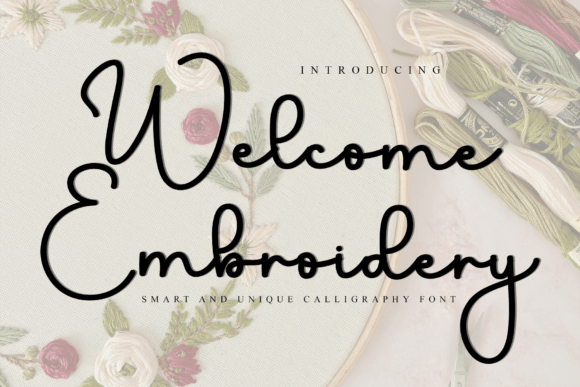
Welcome Embroidery Review
As an embroidery designer who spends hours tweaking stitch angles and testing thread tensions, I am always looking for that perfect balance between aesthetic appeal and technical feasibility. When I first came across Welcome Embroidery on Creative Fabrica, I was immediately drawn to its promise of a soft, unique touch. It is categorized under Script Handwritten Fonts, but in the world of machine embroidery, fonts are never just text—they are structural designs that must hold up under the needle.
I decided to put this design through its paces before committing it to a client order. The goal was simple: determine if this font works for real-world commercial projects like tote bags, baby items, and custom apparel, or if it is merely a decorative element best suited for static displays. Below is my honest evaluation based on practical application, visual impact, and production viability.
First Impressions and Visual Mood
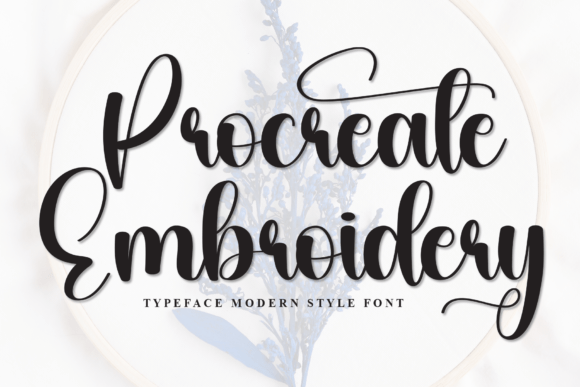
The moment you open the file, the character of Welcome Embroidery becomes apparent. Unlike rigid block letters, this script features distinctive strokes that give it a special personality. It feels welcoming, which is exactly what the name suggests. The curves are fluid, and the letterforms have a hand-drawn quality that translates beautifully into embroidery.
For designers, the visual mood is warm and inviting. It avoids the overly formal look of traditional calligraphy while maintaining enough structure to remain legible. This makes it incredibly versatile. It does not scream "corporate" nor does it feel too childish. Instead, it sits comfortably in that sweet spot for boutique merchandise, nursery decor, and heartfelt gifts. The eye-catching nature of the font means it will stand out in product photography, a crucial factor for Etsy sellers and digital product creators aiming to capture attention in a crowded marketplace.
Performance in Real Embroidery Work
Translating a beautiful digital font into a stitched reality requires more than just hitting the start button. Here is how Welcome Embroidery performs when applied to various handmade products.
- Custom Apparel and Sweatshirts: On cotton blends and fleece, the script holds its shape well. The satin stitches along the edges of the letters provide a clean finish that looks professional against the texture of sweatshirt fabric. It adds a premium feel to custom apparel, elevating a basic garment into a high-value item.
- Tote Bags and Canvas Items: A tote bag design often relies on typography as its focal point. Because Welcome Embroidery has a soft touch, it pairs nicely with sturdy canvas materials. However, because canvas can be thick, ensuring proper stabilizer support is essential to prevent puckering. The result is a durable, washable accessory that customers love.
- Baby Blankets and Nursery Decor: This is where the font truly shines. The gentle curves and meaningful word choice make it ideal for personalized gifts. Whether embroidered on a receiving blanket or a pillow cover, the design conveys care and attention to detail. Buyers trust handmade baby items more when the presentation is polished, and this font delivers that polish.
- Kitchen Towels and Aprons: For kitchen-themed products, the script adds a homey charm. It works exceptionally well as a centerpiece on flour sack towels or as a subtle accent on aprons. The legibility remains high even at smaller sizes, which is important for these smaller surface areas.
- Caps and Patches: Curved surfaces present a challenge for many designs. While Welcome Embroidery is flexible, fitting it onto a cap crown requires careful hooping. If used as an embroidered patch, the distinct strokes ensure that the design remains readable even from a distance, making it a strong choice for branded merchandise.
Practical Considerations for Production
While the aesthetic is strong, every experienced designer knows that usability is key. There are several practical factors to consider when integrating this script into your workflow.
Hoop Size and Density: Depending on the final size of the design, you may encounter dense stitch areas. In small hoop sizes, tight clusters of thread can create bulk. It is vital to review the stitch density before finalizing your layout. If the design feels too heavy, consider reducing the scale slightly or using a lighter weight thread to maintain flexibility.
Fabric Compatibility: Textured fabrics like denim or terry cloth can obscure fine details. Similarly, stretchy fabrics require a cut-away stabilizer to prevent distortion during stitching. Always test on scrap fabric that matches the final material. This step helps you adjust tension and stabilize appropriately, ensuring the finished product looks crisp rather than wavy.
Thread Color Contrast: The beauty of this font lies in its definition. Dark threads on dark fabrics may lose some of the distinctive stroke details. Conversely, very light threads on white fabric might lack the necessary pop. Experimenting with thread colors is part of the creative process, but choosing high-contrast combinations will always yield the most professional results.
Washability: For items like aprons and baby blankets that undergo frequent washing, durability is non-negotiable. The satin stitch construction of Welcome Embroidery generally withstands laundering well, provided the underlying fabric is stable. Checking the file details on the Creative Fabrica product page can provide additional insights into recommended settings.
Impact on Product Value and Branding
Using a high-quality design asset like Welcome Embroidery directly influences buyer trust and perceived value. Customers associate neat, precise embroidery with quality craftsmanship. When a handmade product features a well-executed script, it signals that the seller cares about the details.
This affects brand consistency significantly. If you are building a line of printable mockups or physical goods, having a cohesive visual language helps. This font’s soft yet distinct character can serve as a signature element in your branding. It enhances giftability, as recipients often perceive embroidered personalization as more thoughtful than printed alternatives. Furthermore, in product photography, the three-dimensional texture of the embroidery adds depth and interest, driving higher engagement and conversion rates.
Final Verdict and Recommendations
After evaluating Welcome Embroidery for potential use in commercial embroidery projects, I find it to be a valuable addition to any designer’s library. It strikes a rare balance between artistic flair and functional clarity. It is particularly well-suited for the growing market of personalized gifts, boutique apparel, and nursery items.
To get the best results, I recommend the following steps:
- Test Rigorously: Never go straight to the final product. Stitch the design on scrap fabric to check for tension issues, thread breaks, or density problems.
- Verify Licensing: Before selling finished items, carefully review the license terms on the Creative Fabrica product page. Understanding what constitutes commercial use is essential for protecting your business.
- Inspect Details: Zoom in on the digital file to inspect small details. Ensure that connecting threads or delicate loops are robust enough for machine execution.
- Compare Mockups: Create both light and dark fabric mockups to see how the design adapts to different color palettes. This helps in offering diverse options to your customers.
If you are looking for a script font that brings warmth and professionalism to your embroidery files, Welcome Embroidery is definitely worth considering. It is a tool that can help you create meaningful, versatile, and high-quality handmade products that resonate with buyers. Just remember to respect the technical limits of your machine and fabric, and let the design do the talking.